
Parenting Guidance
Child Health Care Essentials: What Every Parent Should Know
The everyday foundations of a healthy childhood: preventive care, nutrition, sleep, activity, hygiene, emotional well-being and safety.
Published 5 min read
- Written by
- GROW Children Hospital Editorial Team
- Last updated
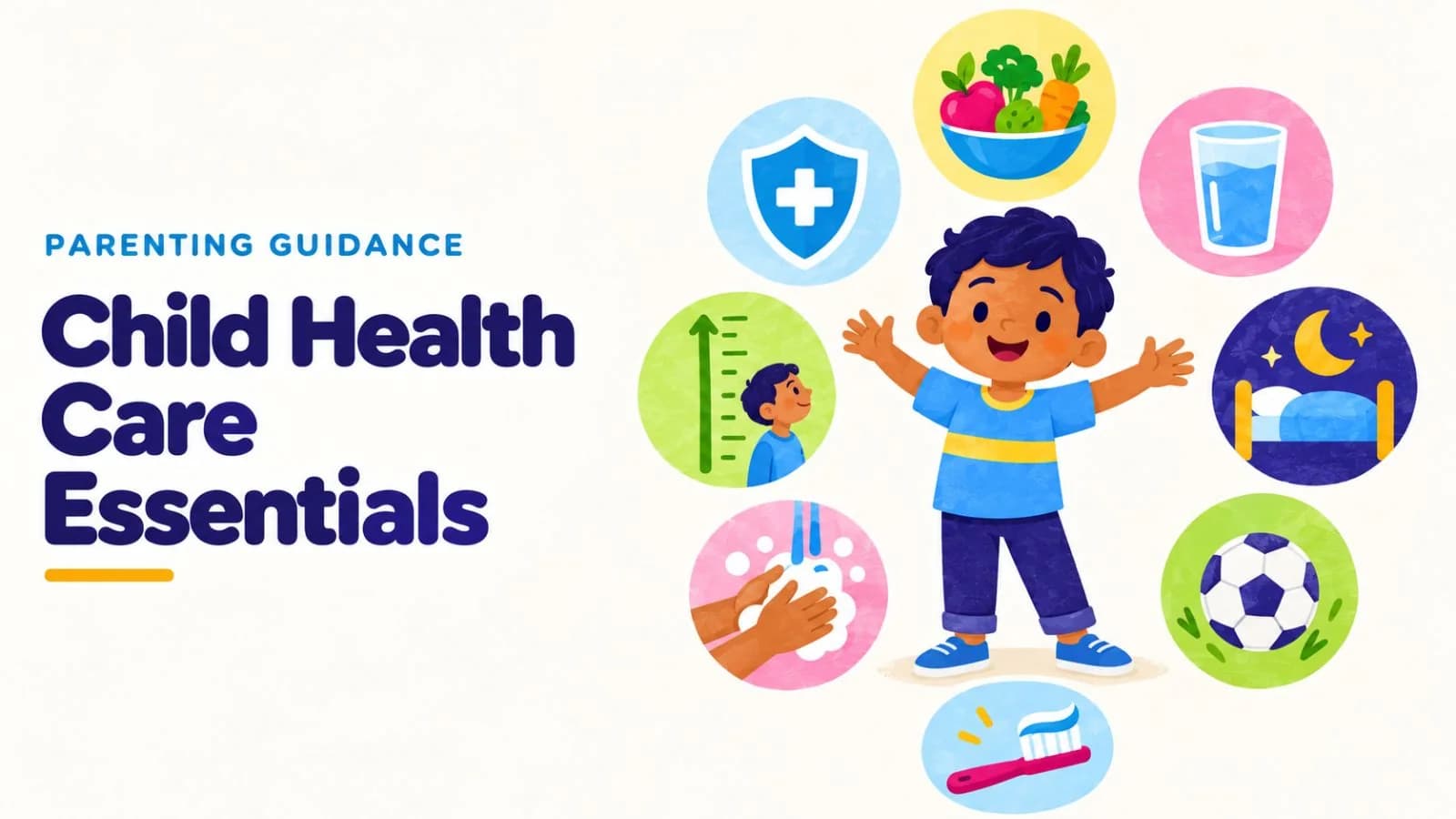
Looking after a child's health is less about doing one big thing and more about a handful of ordinary habits done consistently. These are the ones that matter most.
Why does preventive care come first?
Prevention is the cornerstone of child health care. Regular check-ups, vaccination and age-appropriate screening help detect concerns early, when they are easiest to address. Keeping vaccination up to date protects your child from a range of serious infections.
What does good nutrition look like?
A balanced diet with fruit, vegetables, whole grains, pulses or other protein and dairy provides what children need for physical and mental development. Sensible portions and relaxed, shared mealtimes do more for long-term eating habits than pressure or bargaining.
How much does sleep matter?
Sleep supports growth, learning, mood and immunity. A consistent bedtime routine helps children fall asleep more easily and get the sleep they need for their age.
How active should children be?
Daily active play, sport and family walks build strength and coordination and also support attention and social skills. Starting early makes activity a normal part of life.
Which hygiene habits are worth teaching?
- Washing hands with soap before eating and after using the toilet
- Brushing teeth twice a day
- Covering coughs and sneezes
- Regular bathing and clean nails
What about emotional well-being?
Health includes how a child feels. Listening without rushing to fix, naming feelings and keeping routines predictable help children feel secure and build resilience.
How can I make home safer?
Secure heavy furniture, keep medicines and cleaning products out of reach, use age-appropriate car restraints and helmets, and teach road safety and personal safety in simple terms as your child grows.
Why stay in touch with your child's doctor?
Regular visits are a chance to track growth and milestones and to raise questions about feeding, sleep and behaviour before they become problems. A pediatrician who knows your child over time can give more personal advice.